
Essential Tips for Maintaining Fabricated Parts in Harsh Industrial Environments
November 14, 2024
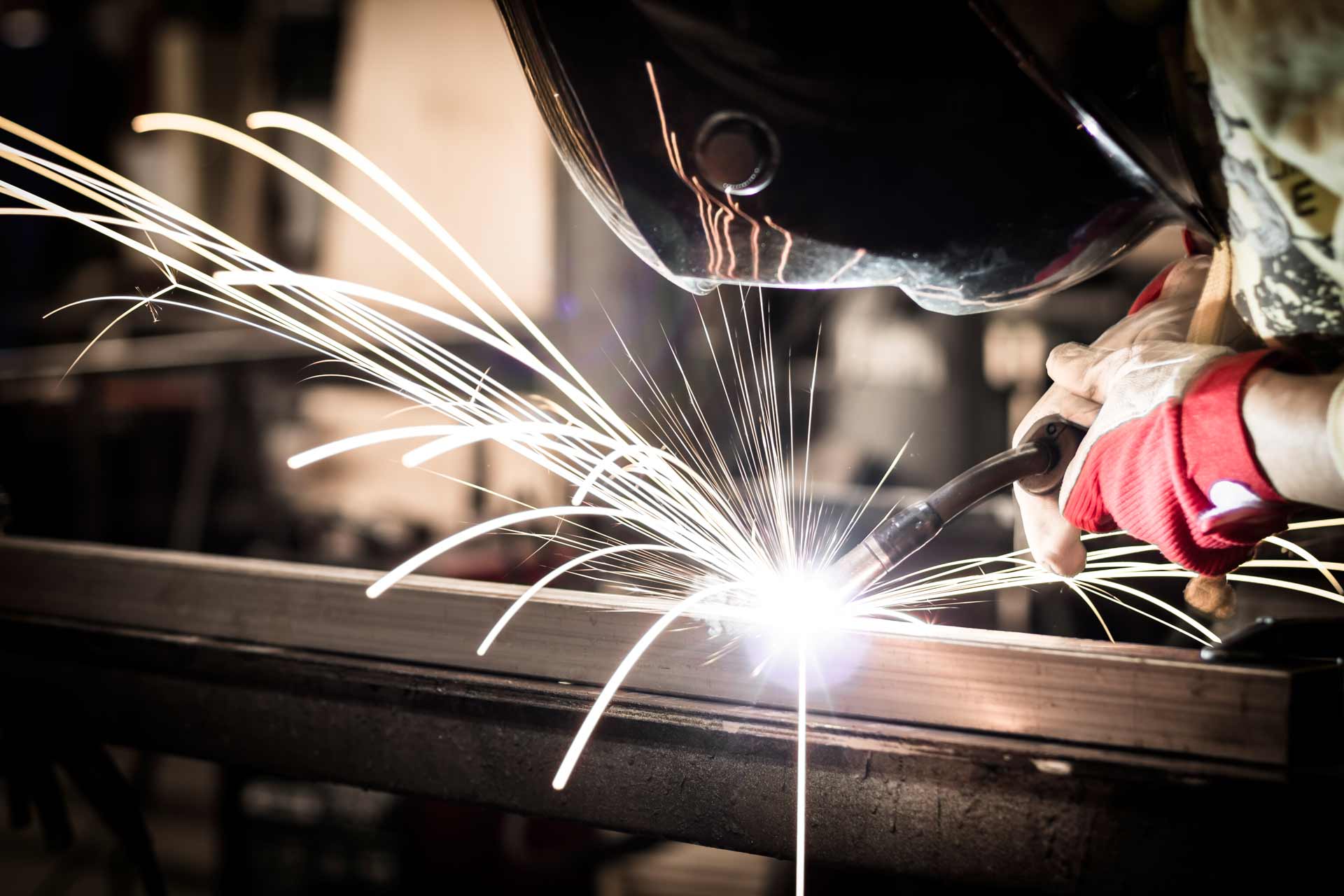
In demanding industrial environments, fabricated metal parts face extreme stress and exposure, from moisture and chemicals to high temperatures and constant mechanical impact. Without proper maintenance, these conditions can quickly degrade components, impacting equipment performance and increasing operational costs. Maintaining these parts ensures longevity, efficiency, and safety. Here are essential maintenance strategies for fabricated parts:
1. Regular Inspection and Condition Monitoring
Routine inspections are key to detecting early signs of wear, corrosion, or other mechanical issues that, if ignored, can lead to significant equipment failures. Visual inspections, combined with advanced condition-monitoring tools like thermal imaging or ultrasonic testing, enable you to spot hidden flaws or stress points that may not be immediately visible. Regular monitoring helps you address issues before they become severe, ensuring that the equipment stays operational and minimizing costly downtime.
2. Application of Protective Coatings
Protective coatings, such as powder coatings or industrial-grade paints, shield metal surfaces from corrosion, chemical exposure, and physical wear. In high-moisture or chemically aggressive environments, coatings are essential as they act as the first line of defense against degradation. Protective coatings reduce the need for frequent repairs, extending the lifespan of metal components. Choosing the right coating material for specific environmental conditions is crucial, as it enhances both the durability and performance of fabricated parts.
3. Scheduled Preventive Maintenance
Implementing preventive maintenance programs ensures that fabricated parts are routinely inspected, replaced, and lubricated before they reach a critical point of wear. A preventive maintenance schedule lowers the risk of unexpected failures, reducing costly repairs and operational disruptions. By performing regular upkeep, you can extend the lifespan of parts and maintain consistent equipment performance. Preventive care is particularly important in high-stress environments, where minor issues can quickly escalate if left unattended.
4. Optimized Cleaning Techniques
Industrial settings often expose fabricated parts to contaminants like dust, oil, and chemical residues, which can accelerate wear and corrosion. Regular cleaning is vital for removing these substances, but it’s essential to use non-abrasive cleaning agents that won’t damage coatings or the metal surface itself. Gentle but effective cleaning methods preserve the integrity of the parts while ensuring they remain in optimal condition for use.
5. Application of Rust and Corrosion Inhibitors
In environments prone to high humidity or frequent precipitation, rust inhibitors add an extra layer of protection for fabricated parts. These inhibitors act as a barrier, slowing down or preventing corrosion, which is especially important for outdoor or exposed parts. Rust inhibitors are easy to apply and can significantly extend the lifespan of components by shielding them from moisture, making them an invaluable tool in humid or corrosive environments.
6. Consistent Lubrication for Moving Parts
For parts exposed to repetitive motion and friction, such as gears and joints, regular lubrication is essential to prevent wear, heat buildup, and eventual failure. Lubricants reduce direct metal-to-metal contact, improving part longevity and smooth operation. Select lubricants based on environmental compatibility, as certain types are more suited for high temperatures or moisture-prone areas. Regular lubrication keeps parts in optimal working condition, supporting uninterrupted equipment function.
7. Climate-Controlled Storage for Spare Parts
Proper storage is crucial for maintaining the integrity of spare fabricated parts. Climate-controlled, dry storage environments prevent rust and premature aging, keeping replacement parts in peak condition for immediate use when needed. Reducing exposure to moisture and fluctuating temperatures ensures that these parts are as durable and reliable as new ones, minimizing the risk of downtime.
Conclusion
Maintaining fabricated parts in harsh industrial environments involves a proactive approach with regular inspections, protective coatings, preventive maintenance, and controlled storage. When these practices are consistently applied, metal components withstand extreme conditions, remain reliable, and provide long-term value to industrial operations.
Ready to start your project?
Tell us what you need fabricated, we'll get you a quote fast.