
What are The Types of Metal Fabrication?
February 17, 2026
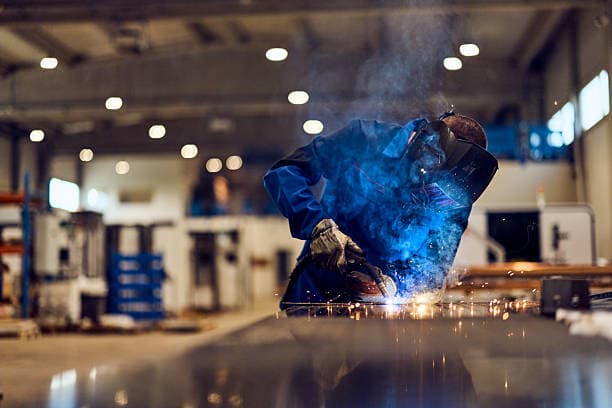
The first light of day reveals sparks flying across a busy fabrication shop. A welder’s torch dances along steel beams, a laser cutter slices intricate panels, and presses molten metal into identical parts. These unseen processes create the bridges, machines, vehicles, and architectural elements we rely on daily. But for many, the question remains: what are the types of metal fabrication, and how do they differ?
In this guide, you’ll explore each major category, from casting and cutting to welding and stamping, see practical applications, understand comparisons between methods, and learn how to select the right fabrication type for industrial, commercial, and custom projects.
What are the Types of Metal Fabrication
Metal fabrication is the art and science of transforming raw metal into finished parts and products. It involves processes that cut, shape, join, and finish metals to meet precise specifications. Understanding the types of metal fabrication is essential for engineers, designers, and project managers, as it directly impacts production efficiency, cost, and quality.
Major Types of Metal Fabrication Processes
Casting in Metal Fabrication: Methods and Uses
Casting involves pouring molten metal into molds to create precise shapes. Types include die casting, sand casting, and investment casting. Casting excels for high-volume production of identical parts, such as automotive engine blocks, plumbing fittings, and industrial machinery components. It’s cost-effective for large runs but can be slower for custom prototypes. When engineers ask what are the types of metal fabrication, casting often comes first due to its ability to create complex, identical parts efficiently.
Metal Cutting Techniques: Laser, Plasma, and Waterjet
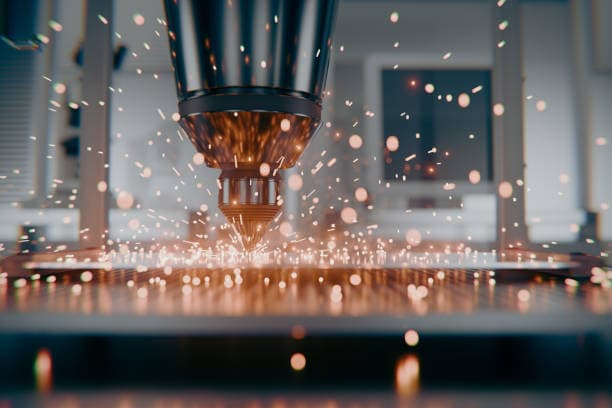
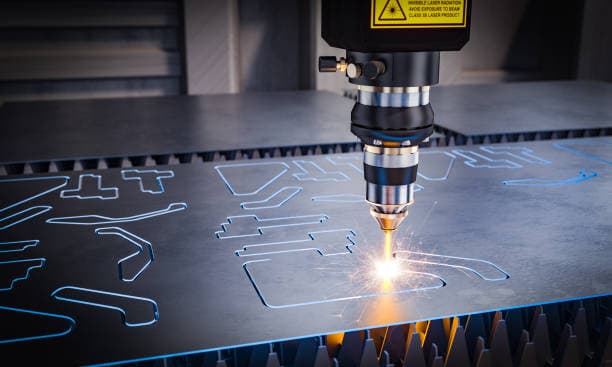
Cutting processes remove metal to achieve desired shapes. Laser cutting, plasma cutting, and waterjet cutting are popular options. Laser cutting provides high precision with minimal material waste, plasma cutting is ideal for thick metals, and waterjet cutting avoids heat-affected zones, making it perfect for sensitive materials. For those asking what are the types of metal fabrication, cutting methods are among the most versatile for sheet metal, panels, and decorative applications.
Forming and Bending Methods in Metal Fabrication
Forming techniques bend or shape metal without removing material. Roll forming, press braking, and folding are common methods. This approach is widely used in creating ductwork, structural frames, and custom enclosures. Forming is efficient and preserves material integrity, making it ideal for long parts that require consistent profiles. Among all methods, forming is essential. Understanding what are the types of metal fabrication helps designers decide whether bending, folding, or roll forming is best for a project.
Stamping and Punching: High-Speed Fabrication Methods
Stamping presses shapes into sheet metal at high speed, while punching creates holes or cutouts. These methods are excellent for high-volume automotive panels, appliance housings, and electrical enclosures. Although tooling costs can be high, the speed and repeatability make stamping and punching indispensable for large-scale production.
Welding and Joining Techniques in Metal Fabrication
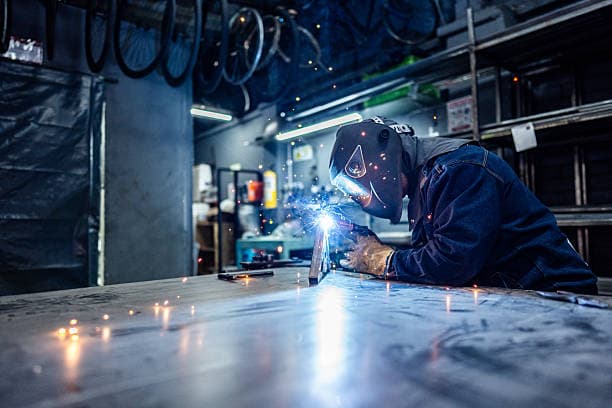
Welding joins two or more metal pieces to create assemblies. Methods include MIG, TIG, stick welding, and brazing. Welding is essential for structural frameworks, machinery, and custom assemblies. It provides strong joints but requires skilled labor. When considering what are the types of metal fabrication, welding is fundamental for combining multiple parts into a durable finished product.
Machining and Precision Metal Fabrication Processes
Machining removes metal using tools such as mills, lathes, and drills to achieve precise dimensions. It’s typically a post-fabrication finishing process for tight tolerances and high-detail components. Machining is used in aerospace, medical devices, and prototypes, ensuring every component meets exact specifications. Machining complements other processes. Knowing what are the types of metal fabrication ensures precision parts meet strict tolerances and specifications.
Metal Fabrication Types by Material
The type of metal often dictates the best fabrication method:
- Steel: Structural beams, industrial frames, often cut, bent, and welded.
- Aluminum: Lightweight panels, automotive components, cut, formed, or machined.
- Stainless Steel: Corrosion-resistant equipment, kitchenware, laser cutting, and welding.
- Brass/Copper: Electrical and decorative elements, stamping, machining, and forming.
Material selection affects tooling, cost, lead times, and final product durability.
Comparison of Key Metal Fabrication Types
| Fabrication Type | Best For | Strengths | Limitations |
| Casting | High-volume identical parts | Complex shapes | Mold cost |
| Cutting | Precision shaping | High accuracy | Heat effects |
| Forming | Structural profiles | No material removal | Surface stress |
| Stamping | High-speed production | Fast, repeatable | Tooling cost |
| Welding | Joining assemblies | Strong joints | Skilled labor |
| Machining | Tight tolerances | Precision surfaces | Slower |
Practical Examples of Metal Fabrication Methods
Structural Fabrication in Construction
In structural fabrication, understanding what are the types of metal fabrication ensures that steel beams and frameworks are produced efficiently and safely.
Automotive Manufacturing
Car frames, panels, and engine components use stamping, welding, machining, and cutting methods. High-volume production demands a combination of techniques to balance speed and precision.
Custom Machinery & Prototypes
Rapid prototyping leverages laser cutting, machining, and welding for tight-tolerance, custom components, reducing production time and minimizing waste. Knowing what are the types of metal fabrication helps engineers select the right processes for prototypes.
Why Knowing What are the Types of Metal Fabrication is Crucial
Choosing the correct fabrication type impacts:
- Project cost and lead time.
- Material efficiency and waste reduction.
- Final product strength and precision.
- Ease of assembly and scalability.
Key Takeaways
- Metal fabrication includes cutting, shaping, joining, and finishing processes.
- Each fabrication type suits different applications, high-volume vs custom, structural vs precision.
- Material choice guides process selection for cost, efficiency, and durability.
- Comparing techniques helps determine the best solution for each project.
Final Take
Understanding the types of metal fabrication empowers businesses, engineers, and designers to select the right processes for projects. From construction steel frameworks to automotive panels and custom machinery, each fabrication type offers unique advantages. Metal fabrication services like Edwards Unlimited Inc. apply these methods professionally to deliver high-quality, durable, and precise metalwork.
Need help selecting the right metal fabrication method? Contact the experts today via email at contact.us@edwardsunlimitednc.com or call (252) 598-1000 to discuss your next metal fabrication project.
Frequently Asked Questions
- What are the types of metal fabrication?
The main types include casting, cutting, forming, stamping, welding, and machining. Each method suits different materials and applications.
- How do cutting methods differ in metal fabrication?
Laser, plasma, and waterjet vary in precision, heat effects, and material thickness suitability.
- Which fabrication type is best for high-volume production?
Casting and stamping excel in large runs due to speed and repeatability.
- Does material type influence fabrication choice?
Yes, steel, aluminum, stainless steel, and copper each require different processes for best results.
- What’s the difference between welding and machining?
Welding joins components, whereas machining shapes or refines surfaces for tight tolerances.
Ready to start your project?
Tell us what you need fabricated, we'll get you a quote fast.