The Difference Between Milling And Welding.
February 17, 2026
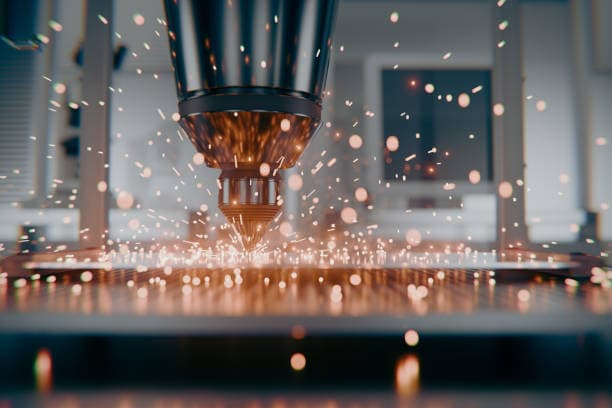
Milling and welding are essential processes in metal fabrication and industrial projects worldwide. They serve different purposes, yet both ensure strength, precision, and functionality in structures. Skilled technicians must understand these processes for accurate project planning and execution.
While milling shapes materials, welding joins them permanently for durability and performance. Industrial sectors, including construction, automotive, and manufacturing, rely on these techniques daily. This guide highlights differences, applications, tools, and custom millwork and welding solutions for modern projects.
Understanding Milling And Welding Basics
Milling and welding serve distinct purposes, each crucial for metal fabrication projects. Milling removes material to create precise shapes and surfaces for machinery or components. Welding permanently joins metals, offering structural integrity and long-term durability.
While milling is subtractive, welding is additive, forming bonds between materials. Professionals often combine both processes for complex industrial or construction projects. Understanding the distinction helps engineers select proper tools and techniques efficiently.
Key Tools Used in Milling Processes
Milling tools ensure precision, speed, and accuracy in shaping metal materials effectively. CNC milling machines automate complex designs for both small and large projects. Hand-operated mills allow craftsmen to make delicate adjustments and detailed cuts.
Cutting tools, such as end mills and drills, maintain precise material removal. Proper maintenance of milling tools increases lifespan and reduces operational errors. Selecting the right milling tools improves project consistency and overall productivity.
Popular Milling Techniques Explained Clearly
Milling techniques vary depending on material type, project design, and required precision.
Top Milling Techniques
- Face Milling: Removes material from wide surfaces quickly and efficiently.
- Peripheral Milling: Cuts along edges to produce precise contours.
- Slot Milling: Creates grooves and channels for component assembly.
- Drilling Operations: Adds holes or cylindrical shapes for mechanical integration.
- Profile Milling: Produces intricate designs and contours for custom applications.
Each method ensures accuracy, reduces waste, and maximizes the durability of fabricated components. Professionals select techniques based on material hardness and thickness. Combining techniques often optimizes project efficiency.
Advanced software can enhance precision in automated milling operations. Safety precautions are essential during high-speed milling activities.
Exploring Welding Types in Fabrication
Milling and welding differ in technique, purpose, and material interaction during fabrication.
Arc Welding Methods
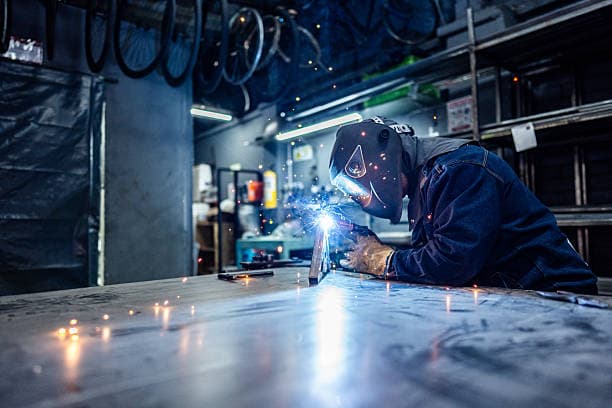
Arc welding uses electricity to produce heat, melting metals for a strong bond. It suits construction, automotive, and industrial projects requiring durable connections.
Gas Welding and MIG/TIG
Gas welding employs a controlled flame to join metals, while MIG/TIG provides precision for thinner materials. Each method affects speed, efficiency, and joint strength differently. Professionals choose techniques based on material type, thickness, and project requirements.
Understanding welding types ensures reliable, long-lasting bonds. Skilled operators improve consistency and reduce post-fabrication corrections.
Safety Tips for Milling And Welding
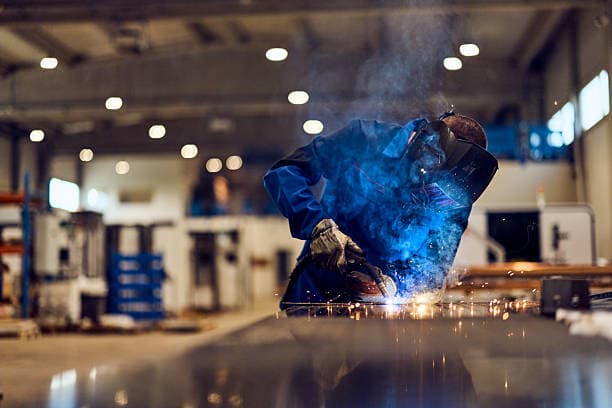
Safety is essential when performing milling and welding to prevent injuries and maintain quality. Operators should wear helmets, gloves, and flame-resistant clothing at all times. Proper ventilation is critical to avoid inhaling fumes from metal or welding gases.
Fire prevention protocols protect both personnel and equipment during high-temperature operations. Continuous training ensures compliance with OSHA and industry standards. Regular inspections and hazard assessments improve workplace safety and productivity.
Equipment Comparison Between Milling and Welding
Comparing milling and welding equipment clarifies their distinct roles in fabrication projects.
| Equipment | Function | Material Compatibility | Advantages |
| CNC Mill | Removes material for precision parts | Steel, Aluminum | High accuracy and repeatability |
| Manual Mill | Enables custom cuts and small-scale projects | Metals and alloys | Flexibility for small jobs |
| MIG Welder | Joins metals using a wire feed | Steel, Aluminum | Fast and durable bonds |
| TIG Welder | Provides precision welding for thin metals | Stainless Steel | Strong and clean welds |
| Plasma Cutter | Cuts thick metals with high heat | Steel, Copper | Accurate and fast cuts |
Equipment choice impacts efficiency, cost, and final product quality. Modern machinery ensures minimal errors and consistent results. Proper operator training enhances safety and performance.
Maintenance routines extend tool lifespan and reduce downtime. Integrating milling and welding processes optimizes overall fabrication workflows.
Tips for Efficient Metal Fabrication
Efficiency in fabrication improves project speed, quality, and cost-effectiveness in milling and welding. Cleaning surfaces before operations ensures stronger bonds and precise cuts. Using jigs and fixtures stabilizes components during milling or welding.
Scheduled breaks prevent operator fatigue and maintain consistent output. Continuous skill development enables adaptation to evolving techniques. Following methodical workflows minimizes errors and rework. Integrating digital tools optimizes accuracy and project timelines.
Advanced Technologies in the Welding Industry
Modern technologies enhance milling and welding efficiency, accuracy, and scalability across industries.
Robotic Welding Systems
Robotic systems automate repetitive welding tasks, producing consistent results with reduced labor requirements.
Laser Welding Innovations
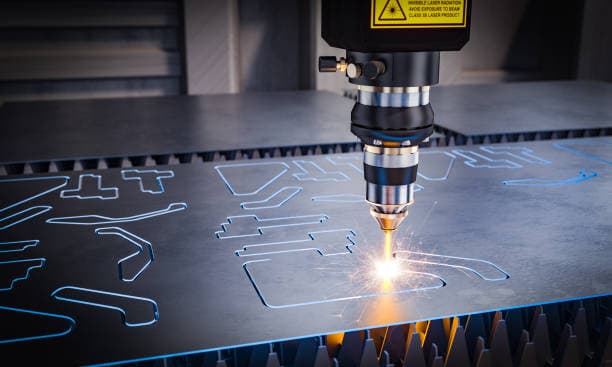
Laser welding uses focused energy to cut or join metals precisely, minimizing heat distortion.
These innovations increase productivity, reduce material waste, and allow highly complex designs. Combining traditional and advanced methods ensures adaptability for custom projects.
Technology integration streamlines workflow for industrial-scale fabrication. Skilled technicians can leverage these tools for superior results.
Common Challenges in Milling And Welding
Milling and welding operations face several challenges that can affect quality and safety.
Main Challenges:
- Material warping caused by excessive heat during welding or milling
- Inaccurate cuts due to improper tool calibration
- Operator fatigue affects precision and consistency
- Equipment malfunction from poor maintenance or overuse
- Inconsistent results when integrating multiple fabrication methods
Addressing these issues ensures reliable, durable, and high-quality metal components. Preventive maintenance and proper training reduce risks.
Workflow optimization mitigates time and cost inefficiencies. Using advanced tools enhances accuracy and output. Awareness of challenges improves overall project planning.
Why Choose Custom Millwork and Welding solutions
Custom millwork and welding solutions provide tailored approaches for complex project requirements and industry standards. Skilled technicians adapt milling and welding processes to meet unique specifications effectively. Modern equipment ensures precision, efficiency, and minimal material waste during fabrication.
On-site and shop-based services cater to both industrial and construction projects. Clients receive durable, high-quality metal components that meet strict safety and design standards. Custom millwork and welding solutions guarantee reliable, long-lasting, and precise results for all fabrication tasks.
Edwards Unlimited Inc. Milling and Welding Features
Edwards Unlimited Inc. delivers expert milling and welding services with advanced precision machinery. They provide both on-site and shop-based capabilities for versatile projects. Skilled operators handle complex cuts, line boring, and welding with consistency.
Their modern tools enable high-quality custom millwork and welding solutions efficiently. Clients benefit from durability, reliability, and tailored fabrication results for industrial and construction needs.
The Bottom Line
Milling and welding serve different, yet complementary, purposes in metal fabrication and construction. Understanding tools, techniques, and safety ensures superior project outcomes and long-lasting results. Combining milling precision with welding strength creates durable, functional metal components.
Advanced technologies improve speed, accuracy, and scalability for both small and industrial projects. Skilled technicians and custom millwork and welding solutions ensure high-quality, consistent fabrication results. Mastery of these processes supports safety, efficiency, and industrial productivity.
Explore expert milling and welding strategies today and enhance your fabrication projects with proven techniques! For more information, send your queries to contact.us@edwardsunlimitednc.com OR contact directly +1 (252) 598-1000.
FAQs
- What is the difference between milling and welding?
Milling removes material, while welding permanently joins metals for strong bonds. - Which metals are suitable for milling and welding?
Steel, aluminum, stainless steel, and copper alloys work well for both processes. - What are common welding types?
Arc, MIG, TIG, and gas welding are widely used in fabrication. - Why is milling important in fabrication?
Milling shapes materials precisely for machinery parts and structural components. - What are Custom Millwork and Welding solutions?
Tailored approaches that combine milling and welding to meet specific project needs.
Ready to start your project?
Tell us what you need fabricated, we'll get you a quote fast.