What is Welding And How Does Welding Work
February 17, 2026
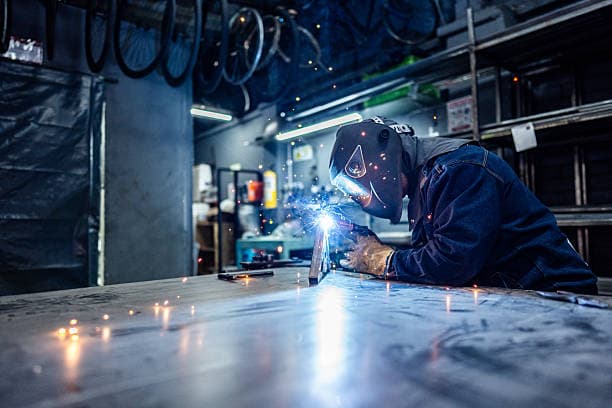
Welding Workis a fundamental process used across industries to join metals securely. It provides strength, durability, and precision in creating structures or repairing equipment. Skilled professionals perform welding using advanced tools and safety protocols to ensure optimal results.
Modern techniques have evolved, offering solutions for both industrial and personal applications. Understanding welding allows engineers, technicians, and hobbyists to optimize their fabrication tasks. This guide explains processes, types, and tools while highlighting custom welding solutions for modern projects.
Understanding Welding Work Basics
Welding Work combines heat and pressure to fuse metals into strong, permanent bonds. It requires both skill and precision to create reliable joints. The process involves manipulating molten metal while controlling its cooling for optimal durability.
Professionals must account for metal types, thickness, and project design during execution. Welding is used across automotive, construction, and industrial projects to maintain safety and functionality. Efficient welding also reduces material waste and ensures project longevity.
Key Tools for Effective Welding
Using the correct tools determines the quality of Welding Work and operator safety. Tools like welding machines, clamps, and protective gear are essential. Modern welding also involves precision instruments for measuring temperature and angles.
Consistent maintenance of tools guarantees longevity and better welds. Ergonomic equipment helps reduce fatigue during extended projects. Proper tool selection supports both small-scale and industrial metal fabrication.
Top Techniques in the Welding Process
Welding Work techniques differ based on metal type, thickness, and desired finish.
Technique Selection
- MIG Welding: Efficient for steel and aluminum fabrication projects.
- TIG Welding: Provides precision for thin metals and detailed work.
- Stick Welding: Ideal for outdoor heavy fabrication in variable conditions.
- Flux-Cored Welding: Best for thicker materials and structural applications.
- Spot Welding: Commonly used in automotive and assembly line production.
Each method improves strength, durability, and project accuracy. Choosing the right technique maximizes the overall performance of welded structures.
Different Types of Welding Explained
Welding Work encompasses multiple types to suit diverse project requirements.
Arc Welding Process
Arc welding uses electricity to generate heat and join metals securely. It offers versatility and is widely used in construction and industrial applications.
Gas Welding Techniques
Gas welding utilizes a flame to melt metal surfaces before joining them precisely. It allows controlled penetration and smooth finishing for sensitive materials.
Welding types determine speed, cost, and material compatibility for each project. Choosing the right type ensures the strength and longevity of the structure. Skilled operators adapt methods based on environmental conditions. Understanding the differences supports improved workflow efficiency.
Safety Measures in Welding Work
Safety is crucial when performing Welding Work to prevent injuries and equipment damage. Wearing helmets, gloves, and flame-resistant clothing is essential. Proper ventilation reduces inhalation of harmful fumes during welding operations.
Fire safety protocols and clear workspace organization are critical. Regular training ensures adherence to OSHA standards for industrial projects. Following safety measures improves both productivity and employee confidence.
Equipment Used in Welding Work
Every welding project requires specialized equipment for precision and durability.
| Equipment | Function | Material Compatibility | Advantages |
| MIG Welder | Uses a wire feed to join metals | Steel, Aluminum | Fast and efficient |
| TIG Welder | Torch and filler rod for precision | Stainless Steel | High-quality welds |
| Plasma Cutter | Cuts thick metal with plasma arc | Steel, Copper | Clean and accurate cuts |
| Welding Helmet | Eye and face protection | All Metals | Safety during operations |
| Clamps | Holds pieces securely | All Metals | Stabilizes work for accuracy |
Equipment selection influences speed, cost, and quality of Welding Work. Using modern machines reduces errors and increases structural reliability.
Proper maintenance extends the service life of tools. Workers benefit from ergonomic equipment designed for safety. Investing in advanced tools improves both efficiency and output.
Tips for Efficient Metal Fabrication
Optimizing workflow ensures better Welding Work results and reduces material waste. Clean surfaces improve fusion and prevent weak joints. Using jigs and fixtures stabilizes components during welding tasks. Scheduling breaks helps maintain consistent performance across long projects.
Continuous skill improvement ensures adaptation to advanced techniques. Following a methodical approach reduces rework and enhances overall quality.
Advanced Welding Technologies Today
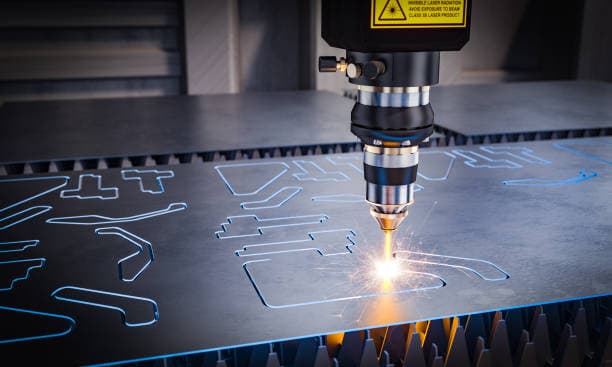
Modern Welding Work integrates robotics and laser technologies for precision metal joining.
Robotic Welding Systems
Automated robots provide consistent, high-quality welds while reducing manual labor requirements. They adapt to repetitive tasks efficiently.
Laser Welding Innovations
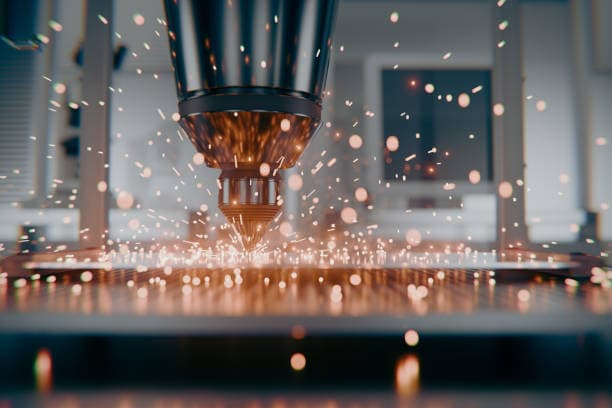
Laser welding allows high-speed cutting and joining of metals with minimal heat distortion. This ensures stronger bonds in intricate designs.
These technologies increase accuracy, reduce project timelines, and lower labor costs. Industrial applications benefit from reduced human error and increased productivity.
Operators can combine traditional and advanced methods for optimal results. Integration of technology supports scalable and efficient welding processes.
Common Challenges in Welding Work
Welding Work faces several challenges that impact safety, quality, and efficiency.
Challenges
- Metal warping due to uneven heat distribution
- Porosity leading to weak joints in thin metals
- Operator fatigue affects precision and productivity
- Inconsistent gas shielding in MIG/TIG processes
- Equipment malfunction or improper maintenance
Addressing these challenges ensures long-lasting and reliable welds. Professionals implement preventive strategies for high-volume and custom fabrication projects.
Continuous monitoring during welding improves outcomes. Proper training and equipment updates minimize defects. Planning and strategy mitigate operational delays.
Why Choose Custom Welding Solutions
Custom welding solutions provide tailored approaches for unique project requirements and industrial standards. Advanced precision tools enable high-quality fabrication with minimal errors. Skilled teams adapt techniques to meet client specifications reliably.
Integration of modern welding methods enhances project durability and efficiency. Clients gain access to both on-site and shop-based expertise. Choosing custom welding solutions guarantees dependable, long-lasting results for every welding task.
Edwards Unlimited Inc. Welding Work Features
Edwards Unlimited Inc. excels in precision metal fabrication and Welding Work. Their advanced laser cutting, line boring, and powder coating ensure superior durability. Skilled operators deliver on-site and shop-based services with unmatched accuracy.
Flexible custom welding solutions adapt to industrial, construction, and heavy equipment needs. They focus on client satisfaction, efficiency, and long-term reliability.
Our Final Word
Welding Work combines science, skill, and advanced tools to create durable, safe metal joints. Understanding techniques, equipment, and safety protocols is essential for all operators. Modern technologies provide efficiency, precision, and scalable solutions.
Challenges exist, but preventive measures maintain high-quality results consistently. Using custom welding solutions enhances project reliability and client satisfaction. Mastering welding ensures professional-grade results for industrial and personal projects.
CTA
Discover expert Welding Work strategies today and enhance your metal fabrication projects with proven techniques! For more information, send your queries to contact.us@edwardsunlimitednc.com OR contact directly +1 (252) 598-1000.
FAQs
- What is welding work?
Welding Work is the process of joining metals using heat, pressure, or both. - Which metals can be welded?
Steel, aluminum, stainless steel, and copper alloys are commonly welded safely. - What are common welding techniques?
MIG, TIG, Stick, Flux-Cored, and Spot Welding are standard methods. - Why is safety important in welding?
Safety prevents burns, eye injuries, and inhalation hazards during metal fabrication. - What are custom welding solutions?
Custom welding solutions provide tailored fabrication methods to meet specific project needs.
Ready to start your project?
Tell us what you need fabricated, we'll get you a quote fast.