What Is Laser Cutting Used For?
February 17, 2026
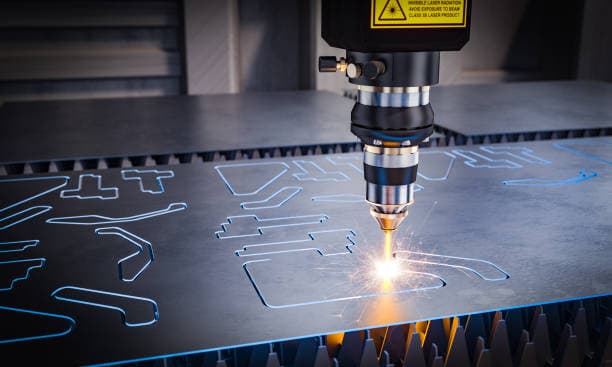
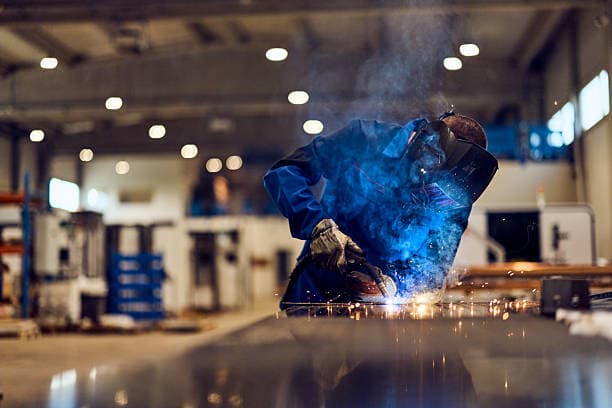
It’s 7 a.m. at a bustling fabrication shop. Sparks fly, the hum of machinery fills the air, and a technician carefully guides a glowing beam across a thick metal sheet. You can almost feel the tension and precision in the room; every cut matters because a single mistake could delay a construction project or compromise a critical vehicle component. This is the world where precision meets responsibility, where every detail counts, and where technology becomes a craftsman’s trusted ally.
In this guide, you’ll find out what is laser cutting used for, learn why it’s essential for industries from automotive to healthcare, see practical examples of its impact, and understand how it can transform the way you approach metal fabrication projects.
Core Industrial Applications: What Is Laser Cutting Used For?
Laser cutting is widely applied across industries where precision and efficiency are critical. Below are some of the main areas where this technology is indispensable.
Metal Fabrication & Structural Components
One of the most common uses of laser cutting is in metal fabrication. Manufacturers rely on lasers to create high-precision parts, panels, and structural components used in machinery, construction, and industrial equipment. These precise cuts minimize errors, reduce material waste, and ensure every component fits exactly as intended.
Automotive & Aerospace Parts
Laser cutting is a key technology for the automotive and aerospace industries. High-accuracy parts like brackets, panels, and custom fixtures require tight tolerances. You might ask what is laser cutting used for in these sectors. It ensures components meet strict safety and performance standards while allowing rapid production of both prototypes and high-volume runs.
Electronics, PCB & Prototype Production
In electronics, laser cutting supports the creation of complex circuit boards and prototype components. Its precision allows for extremely intricate designs without damaging sensitive materials. By using lasers, engineers can produce highly detailed prototypes faster than with traditional mechanical tools.
Custom Signage & Decorative Panels
Laser cutting is also popular in commercial applications such as signage, art installations, and architectural features. Its ability to cut complex patterns into metals, plastics, or composites makes it ideal for decorative panels, custom logos, and interior design elements.
Medical & Healthcare Devices
The healthcare industry relies on laser cutting for surgical instruments, stents, and medical device components. So, what is laser cutting used for here? It ensures exact dimensions, smooth edges, and minimal contamination risk, all critical factors for patient safety and regulatory compliance.
Material Versatility: Metals to Plastics and Beyond
If you’re wondering what is laser cutting used for, its versatility is one reason. Laser cutting systems handle a wide variety of materials, from stainless steel and aluminum to plastics, composites, and even wood, adapting without requiring significant tool changes. This flexibility allows businesses to standardize processes and achieve consistent quality across different projects.
Additionally, tube laser cutting services are widely used for cylindrical or hollow components, providing precision and reducing manual finishing time. This is particularly useful in industries that require uniform tube profiles, such as construction, automotive, and manufacturing.
Why Laser Cutting Beats Traditional Methods
Precision & Clean Finish
Compared to traditional saws or plasma cutters, laser cutting provides highly precise cuts with minimal burrs, reducing post-processing needs and improving product quality.
Speed & Efficiency
Laser systems are faster, particularly for high-volume production. This efficiency translates into lower labor costs, quicker project delivery, and reduced lead times for clients.
Non-Contact & Less Material Waste
As a non-contact process, laser cutting doesn’t wear out tools and leaves a narrow kerf, meaning less scrap material and reduced overall production costs.
Laser vs Plasma vs Waterjet
The table below compares laser cutting with plasma and waterjet methods to help you choose the best option.
| Feature | Laser Cutting | Plasma Cutting | Waterjet Cutting |
| Precision | ⭐⭐⭐⭐ | ⭐⭐ | ⭐⭐⭐ |
| Heat-Affected Zone | Low | Medium | None |
| Material Versatility | ⭐⭐⭐⭐ | ⭐⭐ | ⭐⭐⭐⭐⭐ |
| Speed | Fast | Fast | Medium |
| Best For | Intricate/Thin | Thick Metals | All Materials |
When considering what is laser cutting used for, businesses often choose it over plasma or waterjet cutting because of its high precision, speed, and minimal post-processing.
Real-World Success Stories
Construction Panel Production
Prefabricated construction panels are now cut with laser precision, ensuring uniformity and reducing installation errors. This application answers the question of what is laser cutting used for in structural projects.
Automotive EV Component Manufacturing
High-tolerance laser cuts ensure electric motor brackets and battery enclosures fit perfectly, improving vehicle safety and performance.
Custom Millwork & Decorative Metalwork
Laser cutting allows designers to create complex patterns in metal panels for architectural projects, improving aesthetics while maintaining strength and durability.
Benefits of Laser Cutting
- High Precision: Accurate components with minimal rework, ensuring each part fits perfectly.
- Material Flexibility: Works on metals, plastics, composites, and more, adapting to a wide variety of projects.
- Fast Turnaround: Speeds up production and reduces overall project delivery time.
- Minimal Waste: Narrow cuts and non-contact processing lower costs and reduce environmental impact.
- Lower Tooling Costs: No dies or blades to replace, saving money on consumables and maintenance.
These benefits highlight why businesses across sectors choose laser cutting as a reliable, cost-effective solution.
Key Takeaways
- Laser cutting is versatile and precise, making it essential for industries from construction to healthcare.
- It reduces waste, saves time, and eliminates many issues associated with traditional cutting methods.
- Practical examples demonstrate what is laser cutting used for and why industries rely on it for complex components.
- For tube and cylindrical applications, tube laser cutting services provide unmatched accuracy.
Final Verdict
Understanding what is laser cutting used for helps businesses, engineers, and designers make informed decisions for their projects. From automotive brackets to architectural metal panels, laser cutting provides precision, efficiency, and flexibility that traditional methods cannot match. Professionals like Edwards Unlimited Inc. leverage advanced laser cutting technology to deliver exact, durable, and high-quality results for clients across industries.
Need high-precision laser cutting for your project? Contact the experts today at contact.us@edwardsunlimitednc.com or call (252) 598-1000 to discuss your next precision fabrication project.
Frequently Asked Questions
- What Frequently Asked Questions laser cutting handle?
Laser cutting works with metals (steel, aluminum, stainless), plastics, composites, wood, and more, offering wide versatility.
- Is laser cutting better than plasma cutting?
Laser cutting provides higher accuracy and cleaner edges, though plasma may be better for very thick metals in some cases.
- Which industries use laser cutting the most?
Industries like automotive, aerospace, medical, electronics, and construction rely heavily on laser cutting.
- Can laser cutting reduce production costs?
Yes, precision, reduced waste, and less post-processing often lower overall production costs.
- How does laser cutting support custom projects?
With quick program changes and high-detail capability, laser cutting excels in custom and low-volume runs.
Ready to start your project?
Tell us what you need fabricated, we'll get you a quote fast.