
Can You Weld Aluminum to Steel? Straight Talk from Edwards Unlimited Inc
October 24, 2025
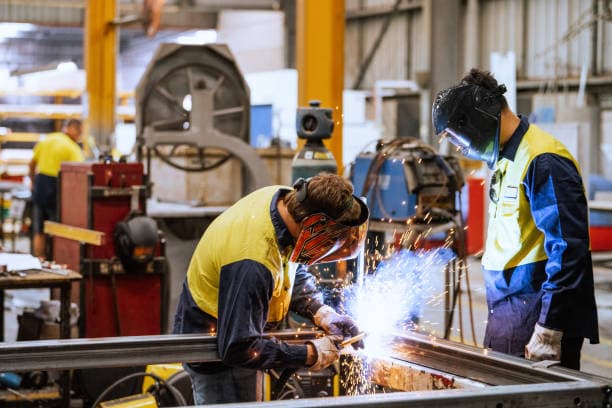
People ask us this all the time: “Can you weld aluminum to steel?” At first glance, it sounds easy enough. Fire up the welder, strike an arc, and make the two pieces stick. Simple, right? Well, not exactly. If it were that easy, we wouldn’t get customers dragging in broken joints and cracked parts asking us what went wrong.
Here’s the straight answer: you can’t weld aluminum directly to steel with ordinary methods. They don’t bond well, and when you force it, the connection ends up brittle and useless. But and this is important it doesn’t mean the job can’t be done. It just means you need to know the right approach.
Why Aluminum and Steel Don’t Get Along
Aluminum and steel aren’t just different metals. They’re practically opposites. Steel is tough, dense, and melts at around 2500°F. Aluminum, on the other hand, melts at about 1200°F less than half. The moment you put a torch on both, one starts sagging while the other barely budges.
And then there’s chemistry. When aluminum and steel try to bond under heat, they form what’s called an intermetallic layer. Sounds fancy, but what it really means is the joint becomes as fragile as glass. You hit it with stress, vibration, or even temperature changes, and snap—it’s done.
That’s why folks trying to MIG or TIG the two metals together end up frustrated. It looks like it holds… until it doesn’t.
So How Do Pros Do It?
At Edwards Unlimited Inc in Henderson, NC, we’ve dealt with this problem plenty of times. The trick isn’t brute force, it using methods designed for the mismatch.
- Transition Inserts
These are special strips or blocks that already have aluminum bonded to steel. You weld the aluminum side to aluminum, the steel side to steel, and you get a proper connection in the middle. It’s clean, strong, and reliable. - Explosion Welding
The name alone tells you this isn’t a weekend garage job. It uses controlled explosives to literally slam the two metals together so tightly that they bond at the molecular level. It’s not something we do in-house it’s usually done at industrial facilities but it’s one of the strongest options out there. - Mechanical Fastening
Sometimes the smart answer is: don’t weld at all. Bolts, rivets, or industrial adhesives can hold aluminum to steel better than a bad weld ever could. We’ve used this route in custom metal fabrication when a client needs functionality without the headache of specialty welding.
Real-Life Example from Our Workshop
A local contractor once came in with a railing job. The main frame was steel for strength, but they wanted lightweight aluminum panels attached for style. They’d already tried tacking it with a MIG welder looked good for a week, then the panels started falling off.
We explained the chemistry problem and ended up using mechanical fastening combined with treated inserts. The end results? Strong, long-lasting, and safe. That project taught them what we tell everyone: sometimes the best weld isn’t a weld at all.
Final Word: Can You Weld Aluminum to Steel?
The bottom line? Not directly. You need inserts, explosion bonding, or mechanical fastening. Anything else will crack, corrode, or flat-out fail.
So, if you’re sitting in Henderson, NC wondering how to join aluminum and steel, give us a call at Edwards Unlimited Inc. We’ll look at your project and give you the best solution—not just something that “sticks,” but something that lasts.
Because let’s be real: in metal fabrication, “good enough” usually isn’t good enough. You want strength, safety, and reliability, and that’s what we deliver.
Ready to start your project?
Tell us what you need fabricated, we'll get you a quote fast.