What Do Metal Fabricators Do?
October 24, 2025
Inside the World of Custom Metal Work and Why It Matters More Than You Think
If you’ve ever driven across a bridge, walked up a set of metal stairs, or leaned on a handrail, chances are a metal fabricator had something to do with it. But unless you’re in the industry, you may not really know what a fabricator does day to day.
Well, here at Edwards Unlimited INC in Henderson, NC, we live and breathe metal. And we’re here to pull back the curtain on the role of the metal fabricator what we do, why it matters, and how this work shapes the world around us.
A Simple Answer: What Does a Metal Fabricator Do?
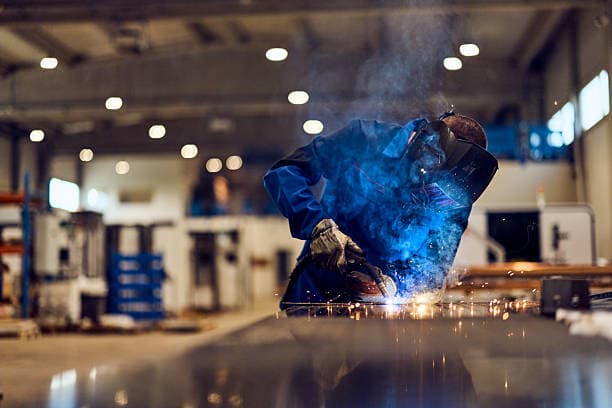
A metal fabricator takes raw metal steel, aluminum, stainless, sometimes copper or brass—and cuts, bends, welds, and assembles it into finished products or components.
But that short answer doesn’t do justice to the depth of the job.
Fabricators don’t just follow instructions they solve problems, interpret designs, and make sure things get built the right way. We’re part artist, part engineer, part technician.
Metal Fabrication vs. Welding—A Quick Clarification
People often use “fabrication” and “welding” like they’re the same thing. They’re related, but different.
- Fabrication is the full process—cutting, bending, machining, fitting, and yes, welding.
- Welding is just one step in that process, the part where pieces are permanently joined.
At Edwards Unlimited, we do both because you can’t have quality fabrication without skilled welding.
Types of Work Metal Fabricators Handle
Every day in the shop is different, and the jobs vary based on what a client needs. Here are some common examples:
1. Structural Fabrication
Making beams, brackets, joists, stair frames, and supports for construction. These pieces are the skeleton of a building, and they need to be strong, square, and safe.
2. Architectural Metal Work
Handrails, gates, decorative panels, canopy structures. Here, precision and appearance matter just as much as function.
3. Industrial Equipment
Repairing and fabricating parts for machines, tractors, trailers, or shop tools. It might mean rebuilding a bracket, retrofitting an attachment, or replacing a part you can’t buy anymore.
4. Custom One-Offs
From smoker frames to truck bumpers to ATV ramps—you name it. If it’s made of metal, a fabricator can bring it to life.
Tools of the Trade
Being a metal fabricator means being handy with a wide range of tools. Some are old-school. Some are cutting-edge.
We use:
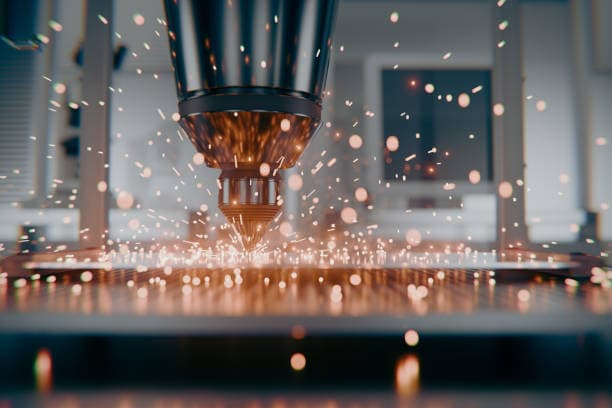
- Plasma cutters – for slicing through thick steel with clean lines.
- Press brakes – for precise bends.
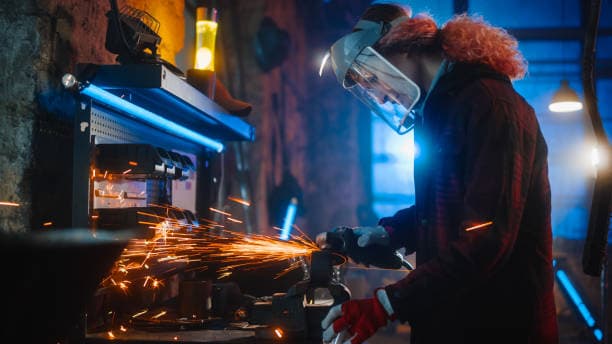
- Angle grinders – for smoothing edges and shaping pieces.
- Bandsaws & cold saws – for fast, straight cuts.
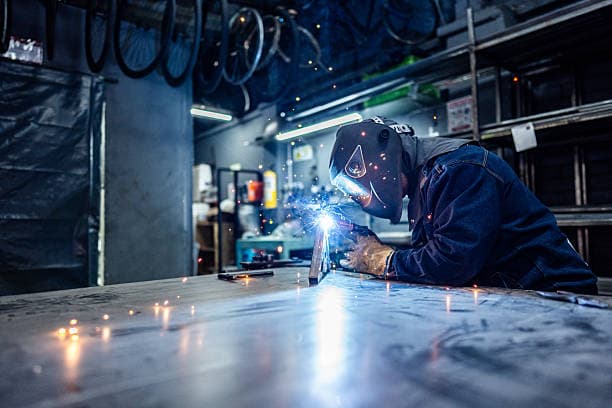
- MIG and TIG welders – to fuse parts into one solid piece.
Good gear helps. But in the hands of someone without skill? It’s just expensive metal.
The Real Skill: Thinking Like a Fabricator
Any machine can cut or weld. What separates a great fabricator is how they think.
Problem Solving
Every project comes with surprises. Maybe a part doesn’t fit, the drawing doesn’t show everything, or the material is slightly warped. A good fabricator figures it out, quickly.
Reading Blueprints & Specs
We’re trained to read technical drawings, but also to catch issues the engineer might not see on paper.
Knowing Materials
Steel bends differently than aluminum. Galvanized reacts differently to heat than stainless. Knowing how metal behaves is key to making strong, long-lasting builds.
Safety First
We work around sparks, sharp edges, and heavy material every day. Fabricators are trained to work safely and efficiently—no shortcuts.
What’s a Day Like in a Fabrication Shop?
Every shop is different, but here’s what a typical day might look like at Edwards Unlimited LLC:
- Morning – Review jobs, check drawings, load material, measure and mark cuts.
- Midday – Cutting, forming, and layout of parts.
- Afternoon – Weld-up and assemble builds, finish grinding, QC checks.
- End of Day – Wrap up, clean down, and prep for delivery or install.
Of course, we also take jobs out into the field. Our mobile services let us cut, weld, or repair equipment right at your location if needed.
Who Do Metal Fabricators Work With?
Just about every industry needs fabricators. Here are a few:
- General Contractors – For stairs, platforms, framing.
- Farmers – For tractor hitches, mower decks, tool attachments.
- Factories – For production line repairs and custom brackets.
- Homeowners – For railings, gates, grill frames, and even yard sculptures.
- Municipal Clients – For sign posts, benches, or infrastructure repairs.
We’re often the “behind-the-scenes” partner making sure other jobs get done right.
How to Tell a Good Fabricator from a Bad One
Let’s be honest—not every fabricator brings the same level of pride to the job. Here’s how you know you’ve found a solid one:
- Weld Quality – Smooth, even welds with good penetration.
- Tight Fit-ups – Clean joints with little gap or filler.
- Clean Finishing – No sharp edges, burrs, or sloppy work.
- Reliable Communication – They’ll tell you what’s possible, what isn’t, and what it’ll cost.
- Repeat Clients – The best sign? People come back or send friends.
At Edwards Unlimited, we’ve built our reputation on word of mouth and local trust. We stand behind our work—and that makes all the difference.
A Quick Real-World Example
One of our recent jobs was for a local HVAC contractor. They needed a custom mounting bracket for a rooftop unit that didn’t fit standard hardware. No one made what they needed.
We worked off a sketch, measured the install site, then built and delivered a powder-coated steel bracket in two days. Fit perfect, saved the project.
That’s the kind of solution a metal fabricator brings to the table.
Final Word
So, what do metal fabricators do? In short, we build the things other trades rely on. We’re the muscle and precision behind the metal problem-solvers, craftspeople, and engineers all rolled into one.
Whether you need one bracket or a whole staircase, you want it done right. That’s what we do every day at Edwards Unlimited INC.
Ready to start your project?
Tell us what you need fabricated, we'll get you a quote fast.